Choosing Free Poker Practice Games by Game Mix

Finding the best free casino games for poker practice starts with the lobby, not a slot feature list. A useful training lobby should clearly separate video poker, table games and live dealer formats, while also showing the developer or provider so you know what software you are learning. Darwin players will value mobile access for practice during arvo coffee breaks or after work, but a polished screen is no substitute for sensible filters and fast loading.
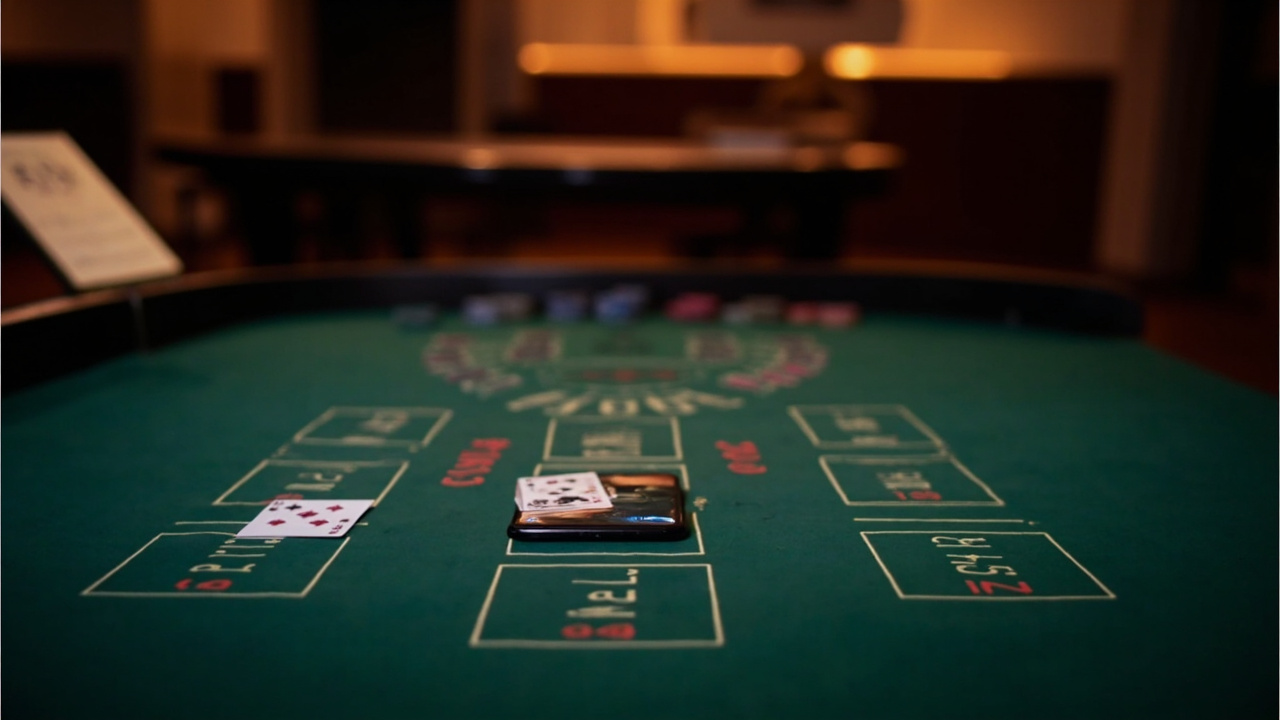
The strongest practice mix includes five categories: video poker for solo decision-making; Texas Hold’em and Omaha for hand selection; casino-style table games for rules and betting discipline; short-form tournaments for pressure; and live dealer options for observational play. Search should let you filter by “poker”, provider and table format, with the number of active tables visible before you commit. If a lobby buries poker under a generic “card games” tab, you will probably spend more time searching than studying.
This is where product discipline matters. In fintech and superannuation delivery, a governed workflow needs clear status, sensible defaults and useful exception handling; casino practice software needs the same clarity. A free-play button, clearly labelled mode and visible table rules should be easier to understand than a wall of near-identical titles. Provider variety helps too, because different animation styles and interfaces can teach transferable concepts rather than simply reward familiarity with one menu.
For players comparing lobby layouts, wolf-gold-no-deposit-au.com can serve as one practical reference point while assessing how offers, games and information are presented. Compare the navigation, search results and mobile controls, not merely the promotional headline. Check whether free practice starts before a deposit screen, whether poker variants are easy to locate and whether age and location restrictions are explained. Defo, the best setup is the one that makes the next decision obvious without distracting you from pot odds, position and bankroll management.
Judging Providers, Rules and Realistic Practice Conditions
After identifying a strong game mix, compare the providers and rules behind each poker option. Look for established developers with recognisable interfaces, clear betting limits and consistent hand animations. For beginners, a simplified poker variant can be helpful, but it should still expose the same core choices: starting-hand selection, blind positions, wager sizing and reading the table. Practice should train judgement, not encourage tapping buttons until a random result appears.
Separate three things that are often blurred together: free practice, promotional credits and real-money play. A free table normally lets you rehearse without a cash stake, while a bonus may come with wagering conditions. The latter should never be described as risk-free or as a guaranteed route to withdrawals. Check the currency display, minimum and maximum practice bets, round length, table seating and whether the session can be paused. Our fictional reference lobby, Prairie Poker Practice, uses AUD throughout, allows both single-cent and $2 practice blinds, and labels each mode before entry.
Think about realism as a design problem. If the practice environment omits position labels, bet-sizing prompts or pot-size displays, it can create bad habits. The aim should be repeatable decision-making under modest time pressure, not artificial “easy wins”. Live-streamed or dealer-led formats may add useful pacing information, yet automated practice remains better for repeated analysis because you can reset the same scenario and test an alternative approach.
Readers wanting a broader operating perspective can consult this online poker cash games explainer before choosing where to practise. It is worth comparing table pace, stakes formats and bankroll concepts, while remembering that free casino games are entertainment and skill-development tools, not substitutes for professional advice. Never treat an offshore platform as licensed in Australia merely because its site appears accessible. Verify age eligibility, location terms and responsible-play controls directly, and never attempt to bypass geo-blocks.
Testing Discovery, Mobile Play and Session Controls
The final decision comes down to discovery and session management. Open the lobby on your phone, search for “poker” and count how many clicks it takes to reach a free table. Results should distinguish video poker from table poker, show provider names and offer useful filters. A recent-search function is handy in Darwin, particularly when you only have ten minutes between appointments or want to revisit one specific betting scenario before joining a longer session.
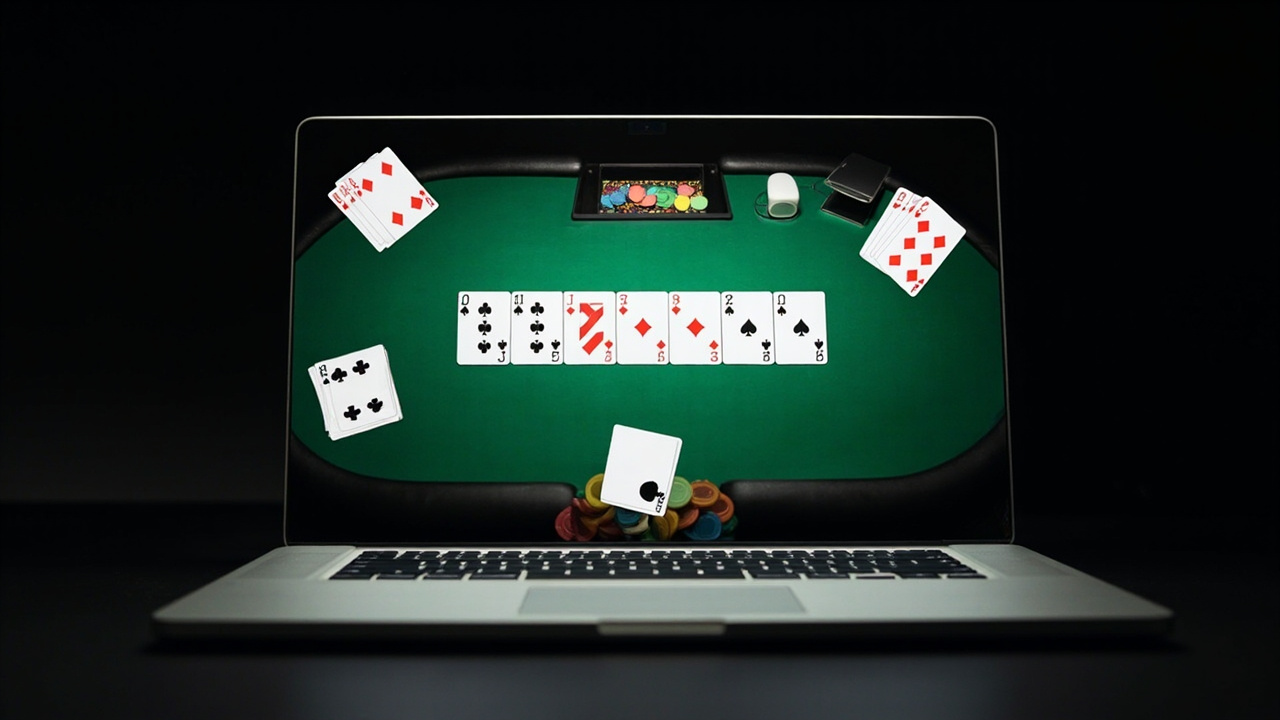
Mobile practice must do more than shrink a desktop lobby. Buttons need enough separation for a quick thumb tap, important information should remain visible in portrait mode, and the betting controls should not obscure community cards or pot totals. Prairie Poker Practice stores three preset table layouts, supports one-handed scrolling and lets users set a 15, 30 or 45-minute session reminder. Support is available through live chat from 7:00 am to 11:00 pm AEST, with saved transcripts for rule questions.
A numbered routine makes comparison practical:
- Open the lobby and search for poker, then inspect the filters and provider labels.
- Enter a free table and confirm the blinds, currency and rules are visible.
- Play three identical hands while changing only your wagering choice.
- Review the sequence to identify weak decisions and useful patterns.
- Save the preferred table, speed and stake before ending the session.
Check whether loyalty points apply to practice, although they should never distort your judgement about what to study. Some fictional lobbies award 10 points per completed 30-minute session and offer one bonus strategy session every 500 points; others credit nothing because keeping practice purely educational may be preferable. Evaluate the clarity of bonus mechanics rather than chasing cosmetic rewards.
Most importantly, test the controls before committing emotionally to a title. Pause, reset and hand-history features have more training value than elaborate sound effects. As a delivery lead, I would reject a polished product whose analytics are confusing, whose lobby cannot explain game differences or whose support hides the rules. The same judgement applies here: if a provider makes it harder to see what changed, why a hand was profitable or where your errors accumulated, its branding should carry less weight.
Your Best Free Poker Practice Pick
The best free casino games for poker practice combine an organised lobby, credible poker variants, transparent rules and realistic session controls. Choose the platform that lets you learn deliberately rather than simply collect animated chips, and remember that outcomes remain uncertain even when practice costs nothing. Your preferred setup might also suit a mate, so compare notes: which game mix keeps you engaged, and which one actually improves your decisions?