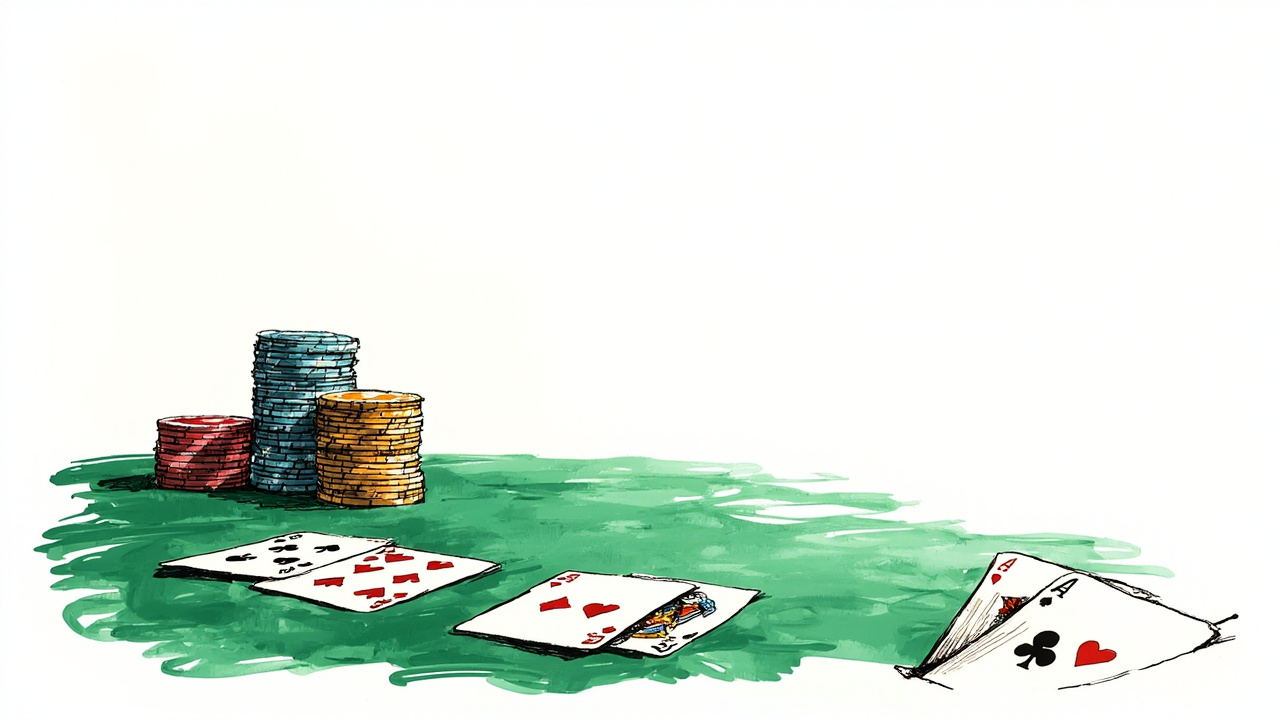
If you have spent a decade opening rooms across Asia-Pacific, you learn fast that a table game lives or dies on clarity, not flash. Let It Ride Poker rules sit in that same practical lane: three cards, two optional bets, and a payout that only matters when your hand actually improves. That is the whole appeal for players who want a slower pace without surrendering the maths. On a busy Adelaide Friday arvo, when the pokies hum and the TAB screens glow, this game gives punters a pause button that still pays properly.
The Core Hand and How the Bets Actually Work
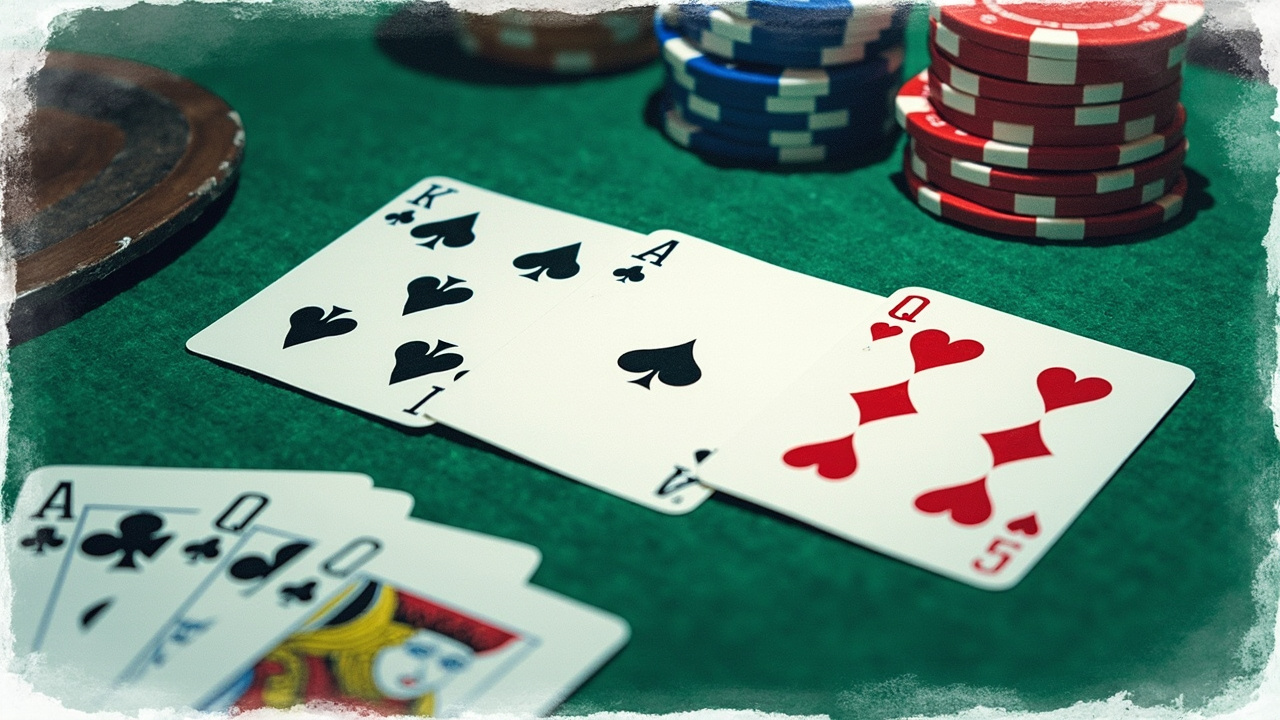
The structure is deliberately simple, which is exactly why it works on a busy floor. You place three equal bets at the start, receive your cards, and then decide whether to pull back the first bet after seeing your initial five-card set. If the three cards you hold plus the two community cards could make a qualifying hand, you keep the bet live; otherwise you take it back and move on. The second decision point follows the same logic once the second community card lands, and only the third bet rides through to the showdown. In my experience running six pre-openings across different jurisdictions, that two-step pullback is what keeps the game readable when new staff are still learning the pace.
I have watched rooms in Macau and Perth treat the same mechanic very differently: one side pushes speed and minimal explanation, the other slows the pace and trains dealers to walk players through the two decision points. The slower approach usually holds its bank better over a long session, because players understand when they are committing and when they are not. That is the real value of let it ride poker rules – they remove guesswork at the exact moment most table games ask you to guess.
| Decision point | What you see | What you can do |
|---|---|---|
| After first three cards | Your hand plus two community cards | Pull back first bet or let it ride |
| After fourth card | Improved or unchanged hand shape | Pull back second bet or let it ride |
| After fifth card | Final hand revealed | Third bet settles automatically |
Payouts, Hand Rankings, and What Actually Pays
The pay table is where the game earns its keep, and it is worth reading before you sit down. A pair of tens or better typically starts the ladder, with three-of-a-kind, straight, flush, full house, four-of-a-kind, straight flush, and royal flush climbing above it. The key thing to remember is that the third bet is the one that carries the real risk, because it is the only wager that stays in for the final reveal without a pullback option. When I have overseen operations in markets where players expect fast feedback, I have always pushed for a printed pay table on the rail rather than a small screen tucked away near the dealer tray.
That small detail matters more than most operators admit. If a player in Adelaide is splitting attention between a cricket match on the wallboard and a mobile bet ticking over on their phone, a visible pay table keeps the decision grounded instead of forcing them to ask the dealer twice. Let It Ride Poker rules do not reward memory tricks; they reward patience and a clear read of the board, which is why the payout structure should be obvious before the first card drops.
Interface, Localisation, and Everyday Usability
A well-run table game and a well-built digital version share the same discipline: the player should never have to hunt for the rules mid-hand. The best local implementations keep the hand progression visible, use plain English rather than casino shorthand, and display currency and bet values in a way that matches what the player actually sees on their card or wallet. Navigation should follow the same logic as the physical rail – decision points first, pay table second, history or balance third – so the eye does not have to relearn the layout every time.
I have sat through enough pre-opening rehearsals to know that localisation is not just a language swap. It is the difference between a pay table that reads naturally to an Australian player and one that still feels borrowed from another market. When the interface mirrors the rhythm of the real table, players settle in faster and dealers spend less time re-explaining the same pullback moment. That is the kind of everyday usability that keeps a session comfortable rather than fiddly.
Mobile Habits, Responsible Play, and the Adelaide Reality
Most players now drift between a live table, a phone in their pocket, and a sportsbook tab open in the background, so the game has to respect that rhythm instead of fighting it. Responsible gambling safeguards matter here because let it ride poker rules can feel deceptively gentle – three cards, two decisions, no constant spinning – which is exactly why session limits and clear break prompts belong in the setup, not bolted on after a busy weekend. In South Australia, where local clubs and commercial venues often run different compliance expectations, the practical move is to treat the game like any other table product: visible limits, easy access to help, and no pressure to keep riding after a bad beat. luckyelfnodeposit.com
I have managed properties where the busiest periods lined up with major sporting weekends, and the pattern was always the same: the game that held its shape was the one that gave players a clean exit rather than a vague promise of a turnaround. If you are playing from a phone on the train home from Adelaide station or sitting in a club with the cricket on, the same principle applies – know your pullback points, read the pay table once, and treat the third bet as the one you only commit to when the hand actually justifies it. No worries if you step away; the rules are built around choices, not momentum.